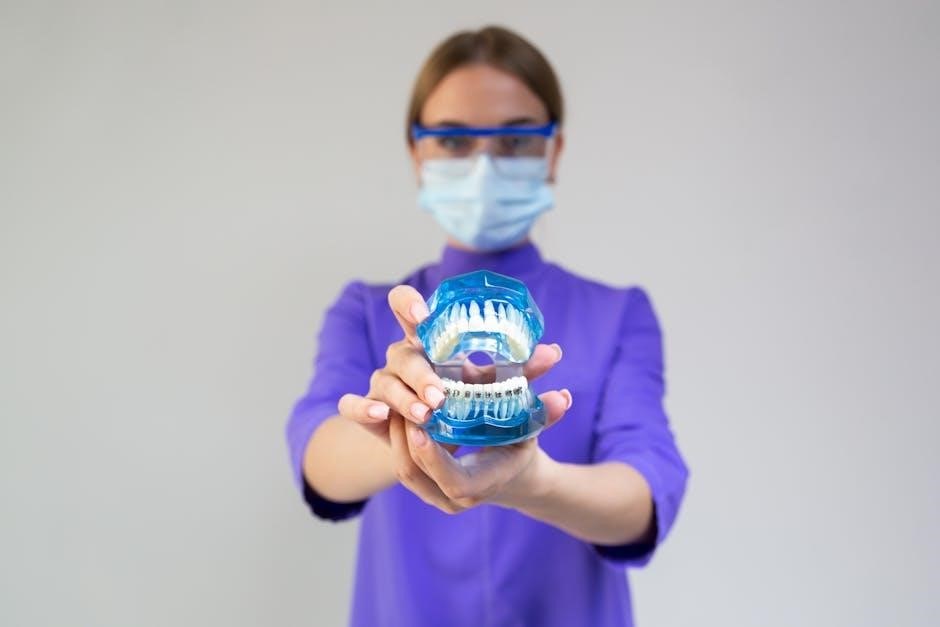
Night guard care ensures longevity and hygiene, protecting your investment and oral health. Proper maintenance, from cleaning to storage, is absolutely essential.
Understanding these night guard care instructions will help you avoid discomfort and potential damage, ultimately preserving your smile and well-being.
What is a Night Guard?
A night guard, also known as a nocturnal bite plate, is a custom-fitted oral appliance designed to protect your teeth from the damaging effects of bruxism – teeth grinding or clenching – during sleep. These guards are typically made from acrylic or a thermoplastic material and are molded to precisely fit the contours of your upper or lower teeth.
Essentially, a night guard acts as a physical barrier, preventing direct contact between your upper and lower teeth, thereby minimizing wear and tear, reducing jaw pain, and alleviating tension headaches often associated with nighttime grinding. They are prescribed by dentists to address a variety of issues, including temporomandibular joint (TMJ) disorders and chipped or fractured teeth.
Proper night guard care is vital for its effectiveness and longevity, ensuring it continues to safeguard your dental health.
Why are Night Guards Important?
Night guards are critically important for protecting your teeth from the significant damage caused by bruxism, a common condition affecting many individuals. Without a night guard, consistent grinding and clenching can lead to severe tooth wear, fractures, and even loss. They also shield against jaw pain, headaches, and temporomandibular joint (TMJ) disorders, improving overall comfort and quality of life.
Beyond preventing structural damage, night guards contribute to long-term dental health by preserving the natural cushioning of your teeth. This prevents sensitivity and the need for costly restorative procedures like crowns or root canals. Consistent night guard care ensures optimal function and extends the lifespan of this protective appliance, safeguarding your smile for years to come.

Types of Night Guards
Night guards vary in material and construction, offering options like hard acrylic, soft, and dual-laminate designs. Each type requires specific care instructions.
Hard Acrylic Night Guards
Hard acrylic night guards are known for their durability and effectiveness in preventing teeth grinding, but they demand diligent care. Cleaning is paramount; use a soft-bristled toothbrush and mild soap – avoid abrasive toothpaste, as it can scratch the surface.
Rinse thoroughly after each use and soak in cool, not hot, water with a denture cleaning tablet weekly to eliminate bacteria and maintain freshness. Inspect regularly for cracks or fractures; even minor damage compromises their protective function.
Avoid exposing them to extreme temperatures, like leaving them in a hot car, as this can warp the acrylic. Proper storage in a ventilated case prevents bacterial growth and accidental crushing. Remember, consistent care extends the lifespan of your hard acrylic night guard, safeguarding your dental health.

Soft Night Guards
Soft night guards, typically made of thermoplastic material, offer comfort but require specific care to ensure longevity and hygiene. Unlike hard acrylics, they are more prone to tearing, so gentle handling is crucial. Clean daily with a soft-bristled toothbrush and mild soap, avoiding harsh chemicals or abrasive cleaners.
Rinse thoroughly after each use and store in a ventilated case to prevent bacterial buildup. Avoid hot water, as it can distort the shape of the guard. Regularly inspect for any signs of wear and tear, such as thinning or stretching.
These guards are more susceptible to damage from pets, so keep them out of reach. Proper care of your soft night guard will maximize its effectiveness and protect your teeth from grinding and clenching.
Dual-Laminate Night Guards
Dual-laminate night guards combine the durability of a hard acrylic outer layer with the comfort of a soft inner lining, demanding a balanced care approach. Daily cleaning involves a soft-bristled toothbrush, mild soap, and lukewarm water – avoid hot water which can delaminate the layers.
Rinse thoroughly to remove all soap residue. Inspect regularly for separation between the layers, a sign of potential failure. Store in a firm, ventilated case to maintain shape and prevent crushing. Avoid exposure to extreme temperatures or direct sunlight.
Unlike solely soft guards, these are less prone to tearing, but the laminate can weaken over time. Gentle handling and consistent care are vital for maximizing lifespan and protecting your investment in dental health.

Daily Night Guard Care
Consistent daily care is paramount for maintaining your night guard’s effectiveness and hygiene. Simple routines, like cleaning and proper storage, extend its lifespan significantly.
Cleaning Your Night Guard
Thorough cleaning after each use is crucial to prevent bacterial buildup and maintain optimal oral hygiene. Begin by rinsing your night guard under cool running water to remove any loose debris or saliva. Avoid hot water, as it can warp the material.
Next, gently brush the night guard with a soft-bristled toothbrush and a mild, non-abrasive soap or a dedicated night guard cleaning solution. Harsh chemicals or toothpaste can damage the surface and create microscopic scratches, harboring bacteria. Pay close attention to all crevices and areas where plaque might accumulate.
After brushing, rinse the night guard thoroughly again to remove any remaining soap residue. Finally, soak the guard in a denture cleaning solution or a specialized night guard cleanser for about 20-30 minutes to disinfect it. Ensure you follow the manufacturer’s instructions for the cleaning solution. Always rinse thoroughly before storing.
Proper Storage Techniques
Correct storage is vital for maintaining the integrity and hygiene of your night guard when not in use. Always store your night guard in a well-ventilated case, specifically designed for this purpose. This protective case shields it from dust, debris, and potential damage from pets or accidental crushing.
Avoid storing the night guard in a humid environment, such as the bathroom, as moisture can promote bacterial growth. Ensure the case is thoroughly cleaned regularly with mild soap and water to prevent contamination. Never store your night guard directly in contact with other dental appliances, as this can lead to cross-contamination.
Before placing the night guard in its case, ensure it is completely dry after cleaning. Proper airflow within the case helps prevent moisture buildup. Regularly inspect the case for any cracks or damage and replace it if necessary to ensure continued protection.
Avoiding Damage During the Day
Protecting your night guard during waking hours is crucial to extend its lifespan and effectiveness. Never leave your night guard exposed to extreme temperatures, such as direct sunlight or inside a hot car, as this can cause warping or distortion. Avoid handling it with abrasive materials or sharp objects that could scratch or damage the surface.
Keep the night guard away from pets, as they may chew or damage it. When not in use, store it securely in its designated case, away from potential hazards. Do not attempt to self-repair any cracks or damage; instead, consult your dentist for professional assistance.
Refrain from exposing the night guard to harsh chemicals, cleaning agents not specifically recommended for dental appliances, or strong food colorings. Careful handling and storage throughout the day will significantly contribute to its longevity.

Long-Term Night Guard Maintenance
Consistent dental check-ups and vigilant monitoring for wear and tear are vital for long-term night guard health. Proactive care ensures optimal protection and fit.
Regular Dental Check-ups
Scheduling consistent dental check-ups is paramount for maintaining the effectiveness and hygiene of your night guard. During these appointments, your dentist can thoroughly assess the guard for any signs of wear and tear, cracks, or distortion. They will also evaluate its fit, ensuring it continues to provide optimal protection against teeth grinding or clenching.
Your dentist can professionally clean the night guard, removing any accumulated plaque or tartar that may be difficult to eliminate with at-home cleaning methods. They can also identify potential issues with your bite or jaw alignment that may necessitate adjustments to the guard or further treatment. Don’t hesitate to discuss any concerns you have about your night guard with your dentist – they are your best resource for personalized care and guidance. Typically, check-ups every six months are recommended, but your dentist may advise a different schedule based on your individual needs.

Recognizing Wear and Tear
Regularly inspecting your night guard for signs of wear and tear is crucial for its continued effectiveness and your dental health. Look closely for cracks, chips, or areas where the material has become thin or distorted. Pay particular attention to the areas that bear the most pressure, such as the biting surfaces. Any visible damage compromises the guard’s ability to properly distribute forces and protect your teeth.
Changes in fit are also a key indicator of wear. If the guard feels loose, doesn’t seat comfortably, or causes discomfort, it may be time for a replacement. A worn night guard can actually increase the risk of teeth grinding and jaw pain. Don’t ignore subtle changes; early detection allows for timely intervention and prevents more significant dental problems. Consistent monitoring between dental visits is highly recommended.
When to Replace Your Night Guard
Determining when to replace your night guard isn’t always straightforward, but several factors indicate it’s time for a new one. Significant cracks, chips, or distortion of the material necessitate immediate replacement, as these compromise its protective function. If repairs are attempted, they often don’t restore the guard’s original integrity.
Beyond visible damage, a change in fit is a primary indicator. If the guard feels loose, causes discomfort, or no longer seats properly, it’s likely worn out. Your teeth and jaw can shift over time, requiring a new impression for an accurate fit. Generally, night guards should be replaced every 2-3 years, even without noticeable damage, to ensure continued effectiveness. Regular dental check-ups will help your dentist assess the guard’s condition and recommend replacement when needed.

Troubleshooting Common Issues
Addressing night guard problems like discomfort or ill-fitting devices is crucial for continued use. Promptly resolve issues to maintain oral health and protection.
Dealing with Discomfort
Initial discomfort with a new night guard is common, as your mouth adjusts to the appliance. However, persistent or increasing discomfort requires attention. First, ensure the guard is properly seated; it shouldn’t feel loose or cause excessive pressure on any teeth.
If soreness persists, try gently re-seating the guard. A slight adjustment might alleviate the pressure point. Over-the-counter pain relievers can offer temporary relief, but shouldn’t be a long-term solution. Consider if your bite feels different, as this could indicate an issue.
If discomfort continues beyond a few days, or if you experience jaw pain, headaches, or changes in your bite, contact your dentist immediately. They can assess the fit and make necessary adjustments to ensure optimal comfort and effectiveness. Ignoring discomfort can lead to more significant problems.
Addressing Ill-Fitting Guards
An ill-fitting night guard is a common issue, often causing discomfort or even rendering the guard ineffective. Signs include the guard frequently falling out, feeling loose, or causing pressure on specific teeth or gums. Do not attempt to self-adjust a guard significantly, as this can cause damage or worsen the fit.
If the guard feels too tight, it may be compressing your gums or causing jaw pain. A loose guard won’t provide adequate protection against grinding. In either case, schedule an appointment with your dentist. They can evaluate the fit and determine the best course of action.
Options include adjustments to the existing guard or, if necessary, creating a new, custom-fitted guard. A properly fitted guard is crucial for both comfort and effective protection of your teeth. Ignoring an ill-fitting guard can lead to dental problems.
What to Do if Your Guard Breaks
Discovering a broken night guard can be concerning, as it immediately compromises your teeth’s protection from grinding or clenching. Stop using the guard immediately if you notice any cracks, chips, or pieces missing. Attempting to repair it yourself with glue or other adhesives is strongly discouraged, as these materials aren’t dental-grade and could cause further damage or pose a health risk.
Contact your dentist as soon as possible to discuss your options. They can assess the damage and determine if the guard can be repaired professionally. More often than not, a completely broken guard requires replacement.
Until you receive a replacement or repair, consider temporarily discontinuing night guard use, or discussing temporary solutions with your dentist to prevent teeth damage. Prompt action is vital to maintain your oral health.

Advanced Care Considerations
Advanced night guard care involves specialized cleaning solutions and understanding dietary impacts. These factors significantly influence the lifespan and effectiveness of your appliance.
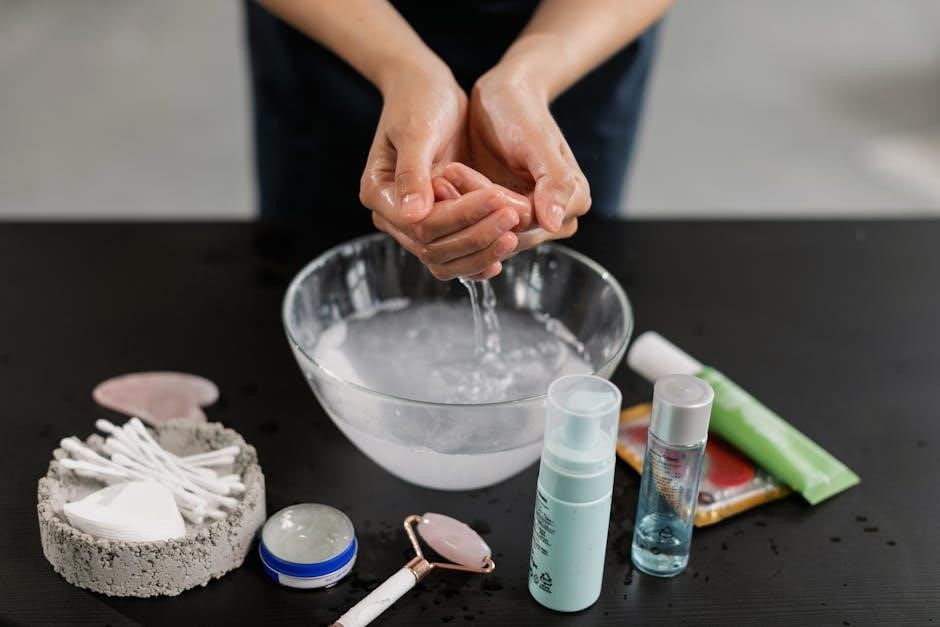
Night Guard Cleaning Solutions
Choosing the right cleaning solution is crucial for maintaining your night guard’s integrity and hygiene. Avoid abrasive cleaners, toothpaste, and harsh chemicals like bleach, as these can damage the material and create microscopic fractures harboring bacteria. Instead, opt for mild dish soap and lukewarm water for daily cleaning.
Specifically designed night guard cleaning tablets or solutions are also available and offer a deeper clean, effectively removing plaque and tartar buildup. These often contain antibacterial agents, further enhancing hygiene. Soaking your guard in these solutions, following the manufacturer’s instructions, is a beneficial addition to your routine.
Some individuals explore vinegar and water solutions, but caution is advised as prolonged exposure can degrade certain materials. Always rinse thoroughly after using any cleaning agent to eliminate residue. Remember, a clean night guard contributes significantly to your overall oral health and the longevity of the appliance.
Impact of Diet on Night Guard Lifespan
Dietary habits surprisingly influence the lifespan of your night guard. Consuming acidic foods and beverages – citrus fruits, sodas, coffee – can gradually weaken the material, particularly acrylic guards, making them more prone to fractures and wear. Frequent exposure to these substances accelerates degradation.
Furthermore, sticky or hard foods can exert undue stress on the guard during wear, potentially causing distortion or breakage. While you aren’t wearing the guard while eating, residue left in your mouth can contribute to bacterial growth and affect its cleanliness.
Maintaining good oral hygiene, including rinsing after meals, minimizes acid exposure. Avoiding excessively hard or chewy foods when possible, and promptly cleaning your night guard after potential contact with acidic substances, will significantly extend its usability and protect your investment.