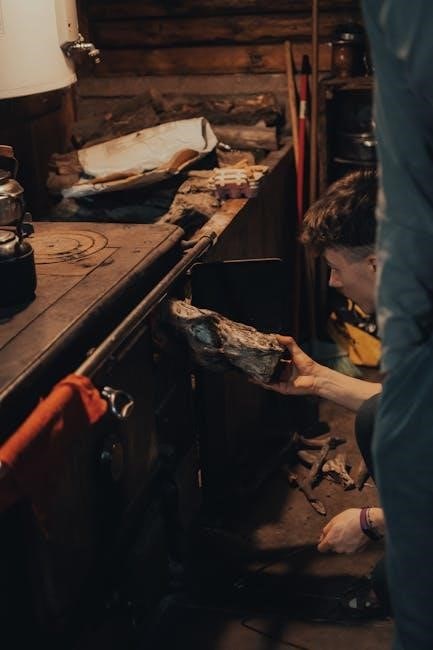
Lopi Liberty Wood Stove Manual: A Comprehensive Guide
This manual details the Lopi Liberty 2020, a large, clean-burning stove approved for use in Australia, offering guidance on installation, operation, and maintenance.
The Lopi Liberty is a high-efficiency wood stove designed for heating larger homes, recognized for its clean burning capabilities and approval for use in regions like Australia. This manual serves as a comprehensive resource for owners, covering everything from initial setup and safe operation to routine maintenance and troubleshooting. Understanding its components and following these guidelines will ensure optimal performance and longevity. The Liberty model, particularly the 2020 version, blends traditional aesthetics with modern heating technology, offering both warmth and environmental responsibility.
Safety Precautions and Warnings
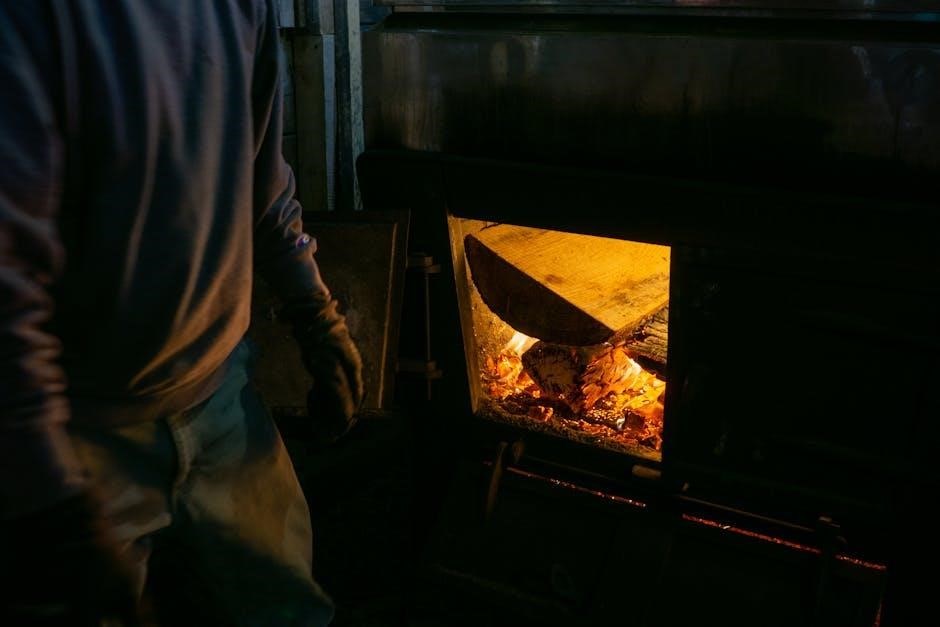
Prior to installing and operating your Lopi Liberty, carefully review all safety precautions. Improper installation or operation can lead to fire hazards or carbon monoxide poisoning. Ensure proper clearances to combustible materials are maintained, and the chimney connection is secure. Never use flammable liquids to start a fire. Always use a stove-length poker for tending the flames, and supervise children and pets closely when the stove is in use. Regular inspections are crucial for safe operation.
Understanding the Lopi Liberty’s Components
The Lopi Liberty features a robust firebox and baffle system designed for efficient combustion. Key components include air control mechanisms regulating airflow for optimal burn, and a durable door with high-temperature glass for viewing the fire. Familiarize yourself with each part – from the airwash system to the damper – to understand how they contribute to the stove’s performance and safe operation. Proper understanding ensures effective use and maintenance.
Firebox and Baffle System
The Lopi Liberty’s firebox is constructed for high-temperature durability, maximizing heat retention. Above the fire, the baffle system plays a crucial role in directing exhaust gases for secondary combustion, increasing efficiency and reducing emissions. This design ensures a cleaner, more complete burn of the wood fuel. Regularly inspecting the firebox and baffle for cracks or damage is essential for safe and optimal performance.
Air Control Mechanisms
The Lopi Liberty features precise air control mechanisms, vital for managing burn rate and heat output. These controls regulate primary and secondary air supply, influencing combustion efficiency. Adjusting airflow allows for a lively flame during startup or a slow, smoldering burn for extended heating. Understanding these controls is key to achieving optimal performance and minimizing smoke production, ensuring a clean and efficient fire.
Door and Glass Operation
The Lopi Liberty’s door utilizes a secure locking mechanism, ensuring a tight seal during operation. Proper door closure is crucial for controlling airflow and preventing smoke escape. The glass front provides a clear view of the fire, but may accumulate soot. Regular cleaning with approved glass cleaner maintains visibility and optimal performance. Avoid forceful closing, as this could damage the gasket or glass.
Installation Guidelines
Proper installation is paramount for safe and efficient operation of your Lopi Liberty. Adherence to hearth requirements and specified clearances is non-negotiable, protecting your home from potential fire hazards. Careful chimney connection, considering appropriate height and diameter, ensures adequate draft. Always consult local building codes and regulations before beginning installation, and consider professional assistance for optimal results.
Hearth Requirements and Clearances
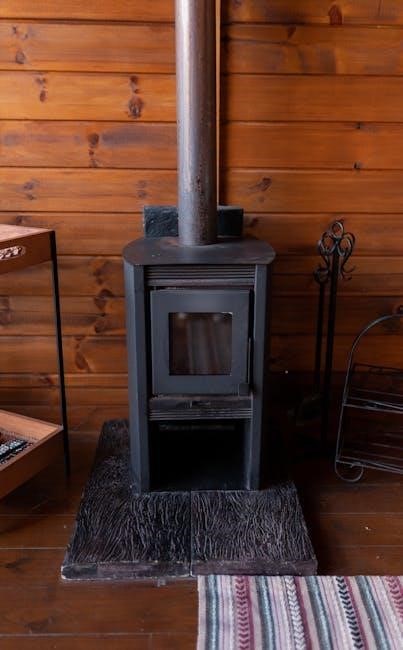
The Lopi Liberty demands a non-combustible hearth extending a specific distance before and around the stove, safeguarding flooring from embers and radiant heat. Maintaining adequate clearances to walls and combustible materials is crucial; consult the manual for precise measurements. Improper clearances pose a significant fire risk. Ensure the hearth’s structural integrity can support the stove’s considerable weight.
Chimney Connection and Considerations
Proper chimney connection is paramount for safe and efficient Lopi Liberty operation. The chimney must meet specific diameter and height requirements, detailed within the manual, to ensure adequate draft. A correctly installed chimney prevents dangerous backdrafting and carbon monoxide buildup. Regular chimney inspections are vital, checking for creosote accumulation and structural integrity.
Operating Instructions
Successfully operating your Lopi Liberty requires understanding the start-up procedure, wood loading techniques, and air control adjustments. Begin with a small kindling fire, gradually adding larger pieces of wood. Maintain a consistent burn by strategically adding fuel and utilizing the air controls to optimize combustion. Proper airflow is crucial for both heat output and minimizing smoke production, ensuring a clean and efficient burn.
Starting a Fire – Step-by-Step
To initiate a fire, place kindling loosely on the firebox floor. Add small, dry wood pieces, creating a teepee structure for airflow. Light the kindling and gradually introduce larger wood as the flames establish. Ensure the door is slightly ajar initially for optimal oxygen supply. Once a robust flame is present, slowly close the door, adjusting the air controls for a steady burn. Monitor closely during the initial stages.
Adding Wood and Maintaining a Fire
Maintain a consistent fire by adding dry, seasoned wood when embers are glowing, but before flames diminish significantly. Place logs strategically for airflow, avoiding overfilling. Adjust air controls to regulate burn rate and heat output. Regularly reposition logs for even burning. Avoid adding green or wet wood, as this creates excessive smoke and reduces efficiency. Monitor the fire frequently for optimal performance.

Air Control for Optimal Burn
The Lopi Liberty’s air control regulates combustion, influencing burn rate and heat output. Opening the air control provides more oxygen for faster, hotter burns, ideal for startup or adding wood. Closing it slows combustion for longer, more efficient burns. Experiment to find the optimal setting for your wood type and desired heat. Proper air control minimizes smoke and maximizes fuel efficiency, ensuring a clean and warm fire.
Fuel Recommendations
For optimal performance, use seasoned hardwoods like oak, maple, or birch in your Lopi Liberty. Avoid softwoods like pine, which create more creosote. Crucially, wood moisture content should be below 20%; wet wood burns inefficiently and increases emissions. Properly seasoned wood provides higher heat output and a cleaner burn, extending the life of your stove and chimney. Regularly check moisture levels with a wood moisture meter.
Types of Wood to Use
The Lopi Liberty performs best with dense hardwoods; Oak, maple, beech, and birch are excellent choices, providing long, consistent burns and high heat output. Avoid softwoods like pine, fir, and spruce, as they burn quickly, produce more smoke, and contribute to creosote buildup. While acceptable in small amounts, prioritize hardwoods for a cleaner, more efficient, and safer heating experience with your Lopi Liberty stove.
Wood Moisture Content
Optimal wood moisture content is crucial for efficient burning. Aim for wood with 20% moisture or less. Burning wet wood reduces heat output, creates excessive smoke, and significantly increases creosote accumulation in the chimney. Properly seasoned wood, typically dried for at least six months to a year, is essential; Use a wood moisture meter to verify dryness before use, ensuring a clean and effective burn in your Lopi Liberty.
Maintenance and Cleaning
Regular maintenance ensures safe and efficient operation of your Lopi Liberty. This includes frequent ash removal, adhering to established procedures to prevent dust and mess. Periodically clean the glass door using appropriate techniques to maintain visibility. An annual inspection by a qualified professional is vital, checking for wear and tear on key components, and ensuring optimal performance and safety throughout the heating season.
Ash Removal Procedures
Allow ashes to cool completely before removal – this may take several days! Use a metal container with a tight-fitting lid for disposal, placing it away from combustible materials. Carefully scoop out ashes, avoiding creating dust. Regularly removing ash improves airflow and combustion efficiency. Do not overfill the firebox; maintain a one to two-inch ash bed for insulation and optimal burning performance.
Glass Cleaning Techniques
For routine cleaning, a damp cloth often suffices when the stove is cool. For stubborn soot, use a specialized stove glass cleaner – avoid abrasive cleaners that can scratch the glass. Apply the cleaner to a soft cloth, not directly onto the glass. Buff to a clear finish. Frequent cleaning maintains optimal viewing of the fire and ensures efficient heat transfer through the glass panel.
Annual Inspection Checklist
A yearly inspection by a qualified professional is crucial for safe and efficient operation. This includes checking the chimney for creosote buildup and obstructions, verifying proper sealing of the door and glass, and inspecting the baffle system for damage. Examine the air control mechanisms for smooth operation. Ensure all gaskets are intact and replacing worn parts promptly is vital for peak performance.
Troubleshooting Common Issues
Addressing problems promptly ensures continued safe operation. Low heat output can stem from insufficient wood, improper air control settings, or a chimney blockage. Smoke backdrafts often indicate negative air pressure in the home, a closed air intake, or a chimney issue. Always ensure adequate ventilation and proper draft before attempting further troubleshooting. Consult a professional if issues persist.
Low Heat Output
Insufficient warmth may indicate several factors. Verify you’re using adequately seasoned wood – damp wood drastically reduces heat. Check the air control; a partially closed damper restricts airflow, lowering temperature. A blocked chimney restricts draft, hindering combustion. Ensure the firebox isn’t overcrowded, allowing for proper air circulation. Finally, confirm the baffle system is correctly installed and undamaged for optimal heat radiation.
Smoke Backdraft
Smoke entering the room signals a draft issue. First, ensure the chimney is adequately drawing – cold chimneys struggle. Verify no obstructions block the flue. A partially closed air control can also cause backdrafting; open it gradually. External factors like wind or nearby structures can impact draft. Confirm proper clearances around the stove and chimney for optimal airflow. A professional chimney sweep inspection is recommended to diagnose persistent issues.
Lopi Liberty Stove Parts and Replacement
Maintaining your Lopi Liberty requires occasional part replacement. Key components include the firebox, baffle system, door glass, and air control mechanisms. Identifying the correct part number is crucial for ordering. Contact a Lopi dealer or visit their website for a parts catalog. Always use genuine Lopi replacement parts to ensure proper fit and performance. Improper parts can affect stove efficiency and safety, potentially voiding the warranty.
Identifying Key Parts
Locating specific Lopi Liberty parts begins with understanding the stove’s construction. Essential components include the firebox – the combustion chamber – and the baffle system, directing airflow for efficient burning. The door, with its glass panel, allows viewing and access. Air control mechanisms regulate combustion. Refer to detailed diagrams in the manual or online resources to pinpoint each part’s location and corresponding part number before ordering replacements.
Ordering Replacement Components
When replacing Lopi Liberty parts, accurate identification is crucial. Note the model year (e.g., 2020) and the specific part number from the parts diagram within your manual. Contact authorized Lopi dealers or visit their official website for genuine replacement components. Ensure compatibility before purchasing, as parts may vary between models. Keep records of purchased parts for future reference and warranty claims, if applicable.
Warranty Information
Lopi Liberty wood stoves are covered by a manufacturer’s warranty against defects in materials and workmanship. The specific warranty duration varies depending on the component; consult your official Lopi Liberty manual for detailed coverage terms. Warranty claims require proof of purchase and proper installation following guidelines. Modifications or misuse may void the warranty. Contact an authorized Lopi dealer for warranty service.
Lopi Liberty 2020 Model Specifics
The Lopi Liberty 2020 is a large-format wood stove designed for heating substantial living spaces. Notably, it’s one of the few large stoves certified for use in Australia, demonstrating its clean-burning efficiency. This model features enhanced combustion technology for reduced emissions and improved heat output. Refer to the dedicated 2020 model supplement for unique installation and operational details.
Running Events Near Cumming, GA (Related Information)
Cumming, Georgia hosts several annual running events, including the Fiesta 5k Challenge on May 2, 2026, a 20-year tradition benefiting ALS research. The Surf & Sun 5K Run takes place on January 31, 2026, offering various participation options. ACTIVE.com provides comprehensive listings for races and events in the area, catering to all fitness levels and interests.
Fiesta 5k Challenge – May 2, 2026
The 20th annual Fiesta 5k Challenge in Cumming, GA, on May 2, 2026, at 423 Canton Rd, is a vibrant event held in memory of someone lost to ALS in 2005. This family-friendly race kicks off Cinco de Mayo celebrations, supporting the Team Duffy/Cure for ALS initiative and fostering community spirit through active participation.
Surf & Sun 5K Run – January 31, 2026
The Surf & Sun 5K Run takes place on January 31, 2026, in Cumming, GA, offering various registration options including a 5K, a 5K-No Swag, and a Virtual 5K. Runners can find updated race listings and easily register through online platforms dedicated to event registrations, catering to diverse athletic interests and participation levels.