
This comprehensive guide details techniques, procedures, and marking criteria utilized by inspectors during multi-engine pilot flight evaluations, ensuring competency and adherence to regulations.
Successful completion necessitates thorough systems knowledge – engines, propellers, fuel – alongside proficiency in engine-out procedures across all phases of flight.
Modern aircraft often feature self-tests; pilots must understand engagement and disengagement methods, preparing for diverse scenarios during the rigorous testing process.
Purpose of this Guide
This guide serves as a crucial resource for both pilots preparing for a multi-engine flight test and for Civil Aviation Inspectors conducting those evaluations. Its primary aim is to standardize the testing process, ensuring consistent and objective assessment of pilot skills and knowledge.
Specifically, it outlines the expected techniques and procedures for demonstrating proficiency in multi-engine operations, covering normal, abnormal, and emergency scenarios. The guide details the precise maneuvers and systems checks required to meet Federal Aviation Administration (FAA) Part 61 standards.
Furthermore, it provides clear marking criteria, enabling inspectors to accurately evaluate a pilot’s performance and identify areas needing improvement. By referencing this guide, both pilots and inspectors can navigate the complexities of multi-engine flight testing with confidence and clarity, promoting aviation safety.
Applicable Regulations (FAA Part 61)
Multi-engine flight testing is governed primarily by FAA Part 61, specifically outlining the requirements for obtaining a multi-engine rating. This regulation mandates a minimum of 2.5 hours of dual instruction in a multi-engine airplane under normal operating conditions. Additionally, at least 3.5 hours of dual instruction are required for specific maneuvers and emergency procedures.
Pilots must demonstrate proficiency in engine-out procedures across all phases of flight – takeoff, climb, cruise, and landing – as stipulated by Part 61. Thorough systems knowledge, including engines, propellers, fuel, and feathering systems, is also essential for successful evaluation.
It’s crucial to consult the latest revisions of Part 61, as regulations are subject to change. This guide complements Part 61 by providing detailed guidance on the procedures and maneuvers that will be assessed during the flight test, ensuring compliance and safety.
Pre-Flight Preparation
Meticulous preparation is paramount, encompassing thorough aircraft documentation review, comprehensive systems knowledge, and precise weight and balance calculations for safe testing.
Aircraft Documentation Review
Prior to any flight testing, a comprehensive review of all applicable aircraft documentation is absolutely critical. This includes, but isn’t limited to, the Aircraft Flight Manual (AFM), Pilot Operating Handbook (POH), weight and balance information, and all relevant maintenance records.
Specifically, verify that the aircraft is airworthy, with no outstanding discrepancies that could affect the safety of the flight. Pay close attention to any limitations or procedures specific to the aircraft model being tested. Ensure all required inspections have been completed and are current.
The documentation review should also confirm the aircraft’s engine specifications, propeller details, and fuel system configurations. Understanding these details is essential for accurate performance calculations and proper systems testing during the flight evaluation.
Systems Knowledge – Engines, Propellers, Fuel
A thorough understanding of the aircraft’s engines, propellers, and fuel systems is paramount for a successful multi-engine flight test. This encompasses knowing the engine operating parameters, including temperature and pressure limits, as well as the procedures for recognizing and responding to abnormal indications.
Propeller control systems, including feathering mechanisms, must be fully understood. Pilots should be able to explain the function of each system and demonstrate proficiency in their operation. Fuel system knowledge includes understanding tank selection, crossfeed capabilities, and fuel pump operation.
Furthermore, familiarity with emergency procedures related to each system – such as engine failure and fuel contamination – is crucial. This knowledge ensures a safe and controlled response to unexpected events during the flight test.
Weight and Balance Calculations
Accurate weight and balance calculations are fundamental to safe multi-engine operations and a critical component of the flight test. Pilots must demonstrate the ability to determine the aircraft’s weight and center of gravity (CG) for various loading conditions, utilizing the aircraft’s weight and balance manual.
Understanding the impact of weight distribution on aircraft performance and stability is essential. Calculations must account for all items – fuel, oil, passengers, and baggage – ensuring the CG remains within the prescribed limits. Exceeding these limits can severely compromise controllability.
The flight test will likely involve verifying these calculations, potentially with simulated loading scenarios. A clear understanding of the effects of an out-of-limits CG is vital for demonstrating sound judgment and safe piloting skills.

Normal Procedures Flight Testing
This phase assesses proficiency in standard operations: engine start, run-up, takeoff, climb, and cruise performance, verifying stability and adherence to established procedures.
Demonstrated skill in maintaining control and executing maneuvers within prescribed parameters is crucial for a successful evaluation during this flight test segment.
Engine Start and Run-Up Procedures
The engine start sequence will be meticulously evaluated, focusing on adherence to the aircraft’s checklist and proper engine monitoring throughout the process. Expect scrutiny of fuel pump operation, starter engagement, and confirmation of oil pressure and temperature indications.
During the run-up, the examiner will assess the pilot’s ability to accurately perform magneto checks, propeller governor function tests, and carburetor heat application, observing for any anomalies or deviations from normal parameters.
Proper engine synchronization is vital, demonstrating smooth and coordinated operation of both engines. The pilot must also verify the functionality of all engine instruments and systems, confirming their accuracy and responsiveness before proceeding with the flight. Any discrepancies must be addressed and documented appropriately.
Thorough pre-flight checks and a systematic approach to the run-up are essential for a safe and successful flight.
Takeoff and Climb Performance
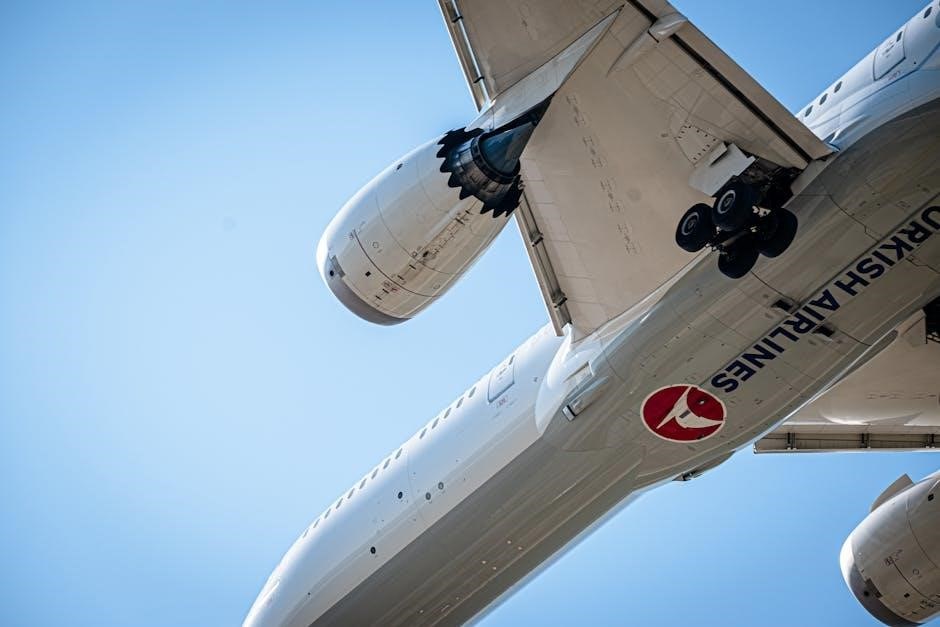
The takeoff roll will be assessed for proper directional control, utilizing rudder and throttle coordination to maintain centerline tracking. The examiner will observe the pilot’s adherence to calculated V-speeds and the correct application of power settings throughout the takeoff phase.
Climb performance will be evaluated based on achieving and maintaining the prescribed climb speed and angle. The pilot must demonstrate accurate airspeed control and effective engine management to optimize climb rate and efficiency.
Monitoring engine instruments during climb is crucial, ensuring both engines are operating within normal limits. The examiner will assess the pilot’s ability to identify and respond to any performance deviations or anomalies that may occur during the climb.
Proper configuration and adherence to established procedures are key to a safe and efficient takeoff and climb.
Cruise Performance and Stability
Maintaining a stable cruise requires precise power management and accurate airspeed control. The examiner will assess the pilot’s ability to establish and maintain the desired cruise altitude and airspeed, utilizing trim effectively to relieve control pressures.
Engine instrument monitoring is paramount during cruise flight. The pilot must consistently scan and interpret engine parameters – temperature, pressure, fuel flow – to ensure both engines are operating within prescribed limits and identify any potential issues.
Stability demonstrations will involve smooth and coordinated maneuvers to assess the aircraft’s response to control inputs. The pilot must exhibit proficiency in maintaining a stable flight path and minimizing oscillations.
Understanding the aircraft’s performance characteristics in cruise is vital for efficient and safe flight operations, demonstrating a comprehensive grasp of multi-engine principles.
Emergency Procedures Flight Testing
This section evaluates a pilot’s response to simulated emergencies, including engine failures during various flight phases, and proficiency in forced landing techniques.
Competent handling of engine-out scenarios is critical, demonstrating mastery of single-engine operations and adherence to established procedures.
Engine Failure During Takeoff
The evaluation of engine failure during takeoff is a critical component of the multi-engine flight test, assessing the pilot’s ability to maintain control and execute appropriate procedures under a high-stress scenario. The examiner will be looking for a swift and decisive reaction, prioritizing aircraft control and adherence to established emergency checklists.
Specifically, the pilot must demonstrate the ability to immediately identify the failed engine, apply rudder to counteract asymmetrical thrust, and maintain directional control along the runway centerline. Proper airspeed management is paramount, ensuring sufficient lift is maintained to prevent a stall.
The pilot will be expected to confidently execute the engine failure checklist, including feathering the propeller, securing the engine, and communicating the emergency to air traffic control. A successful outcome involves a safe deceleration and either a continued takeoff (if performance allows) or a controlled abort, demonstrating sound judgment and precise aircraft handling skills.
Engine Failure After Takeoff – Single-Engine Operations
This phase of the flight test assesses the pilot’s ability to safely manage the aircraft following an engine failure after liftoff, transitioning to and maintaining stable single-engine operation. The examiner will evaluate the pilot’s immediate actions, focusing on maintaining aircraft control and establishing the proper single-engine climb gradient.
Key elements include prompt identification of the failed engine, application of rudder to counteract asymmetrical thrust, and accurate airspeed control. The pilot must demonstrate a thorough understanding of the aircraft’s single-engine performance capabilities and limitations, selecting the appropriate altitude and heading for a safe return to the airport or a suitable alternate.
Successful performance requires precise execution of the engine failure checklist, effective communication with air traffic control, and a calm, methodical approach to problem-solving, showcasing proficiency in single-engine operational techniques.
Engine Failure in Cruise Flight
This critical test evaluates the pilot’s response to a simulated engine failure during established cruise flight, demanding a swift and precise reaction to maintain aircraft control and ensure continued safe flight. The examiner will observe the pilot’s ability to quickly identify the failed engine and initiate the appropriate emergency procedures.
Essential skills demonstrated include maintaining airspeed, establishing a single-engine climb, and accurately completing the engine failure checklist. The pilot must exhibit a clear understanding of the aircraft’s single-engine performance characteristics and effectively communicate the situation to air traffic control.
A successful outcome requires a calm, methodical approach, demonstrating proficiency in troubleshooting, decision-making, and the ability to safely navigate to a suitable landing site, showcasing mastery of multi-engine emergency procedures.
Forced Landing Procedures (Simulated)
This demanding phase assesses the pilot’s ability to execute a safe forced landing following a simulated engine failure, requiring precise aircraft control and sound judgment under pressure. The examiner will evaluate the pilot’s selection of a suitable landing area, considering terrain, wind conditions, and obstacles.
Key skills demonstrated include maintaining best glide airspeed, completing the appropriate checklists, and effectively communicating intentions to air traffic control. The pilot must accurately assess the situation, prepare the aircraft for landing, and execute a controlled approach to the chosen landing site.
Successful completion necessitates a calm, methodical approach, showcasing proficiency in energy management, aircraft handling, and the ability to minimize risk during a challenging emergency scenario, proving preparedness for real-world situations.

Advanced Maneuvers
Pilots will demonstrate proficiency in go-arounds, slow flight, stall characteristics, and crosswind landings/takeoffs, showcasing precise control and adaptability in complex scenarios.
These maneuvers validate advanced skills essential for safe and effective multi-engine aircraft operation under varied and challenging conditions.
Go-Around Procedures (All Engines Operating)
The go-around procedure, performed with all engines operating, assesses the pilot’s ability to react decisively to unstabilized approaches or unexpected obstacles on the runway.
During the flight test, the applicant will initiate a go-around from a low altitude, demonstrating proper power application, pitch attitude control, and configuration changes – including gear and flap retraction – according to the aircraft’s flight manual.
Evaluators will focus on maintaining aircraft control throughout the maneuver, adhering to prescribed speeds, and effectively communicating intentions to air traffic control.
A successful go-around showcases the pilot’s preparedness to abandon a landing and safely transition to another approach, a critical skill for multi-engine operations.
Proper execution emphasizes a smooth and controlled transition, prioritizing safety and situational awareness.
Slow Flight and Stall Characteristics (Multi-Engine)
Evaluating slow flight and stall characteristics in a multi-engine aircraft is crucial, differing significantly from single-engine operations due to asymmetric thrust considerations.
The flight test assesses the pilot’s ability to maintain controlled flight at minimum controllable airspeed, demonstrating precise rudder and aileron coordination to counteract adverse yaw and roll tendencies.
Stall recognition and recovery are paramount; the applicant must identify the approaching stall, execute a timely and effective recovery using proper control inputs, and avoid secondary stalls.
Evaluators will observe the pilot’s understanding of how engine failure impacts stall speed and recovery techniques, emphasizing the importance of maintaining directional control.

Proficiency in these maneuvers demonstrates a comprehensive grasp of multi-engine aerodynamics and emergency procedures.
Crosswind Landings and Takeoffs
Crosswind landings and takeoffs demand precise control and coordination in multi-engine aircraft, amplified by the potential for asymmetric thrust effects during the rollout or initial climb.
The flight test evaluates the applicant’s ability to maintain directional control using rudder and aileron, effectively counteracting wind drift and preventing wing drop during the approach and landing phases.
Takeoff performance is assessed with consideration for crosswind components, ensuring the aircraft remains on the runway centerline and achieves a safe climb-out angle.
Evaluators observe the pilot’s technique for applying appropriate control inputs, managing power settings, and smoothly transitioning between phases of flight in challenging wind conditions.
Demonstrated proficiency showcases a strong understanding of aerodynamic principles and skillful aircraft handling in realistic operational scenarios.

Systems Testing
Rigorous systems checks, including feathering, electrical failure simulations, and fuel system procedures, are vital to confirm aircraft functionality and pilot response capabilities.
Feathering System Functionality
Evaluating the feathering system is a critical component of multi-engine flight testing, directly impacting single-engine performance and safety. The pilot must demonstrate a clear understanding of the system’s operation, including identifying the appropriate procedures for feathering a failing engine.
During the test, the examiner will assess the pilot’s ability to accurately feather the engine, verifying that the propeller blades move to the feathered position and minimize drag. This includes confirming the associated controls function correctly and observing the resulting airspeed and yaw changes.
Furthermore, the pilot must demonstrate proficiency in unfeathering the engine, returning it to a functional state, and understanding the limitations and considerations associated with this process. Proper execution of these procedures is paramount for maintaining aircraft control and ensuring a safe outcome in the event of an engine failure.
Electrical System Failure Simulation
The electrical system failure simulation assesses the pilot’s ability to manage essential aircraft functions when faced with a loss of primary electrical power. This test evaluates their understanding of emergency procedures and their capacity to maintain control under pressure.
During the simulation, the examiner will likely initiate a scenario involving the failure of a generator or the entire electrical system. The pilot must then demonstrate the correct steps to identify the failure, switch to alternate power sources (like the auxiliary power unit or remaining generator), and prioritize critical loads.
Proficiency includes maintaining communication, navigation, and flight control systems, while understanding the limitations imposed by reduced electrical capacity. The pilot’s ability to troubleshoot, adapt, and execute emergency checklists effectively is crucial for a successful outcome.
Fuel System Checks and Procedures
Comprehensive fuel system checks are paramount during multi-engine flight testing, verifying the pilot’s understanding of fuel management and potential failure scenarios. This evaluation assesses their ability to operate the fuel system safely and efficiently throughout all phases of flight.
The test will involve demonstrating proper procedures for fuel selection, crossfeed operation, and verifying fuel quantity in each tank. Pilots must accurately identify and respond to simulated fuel pump failures, ensuring continued engine operation on alternate fuel sources.
A key aspect is the ability to calculate fuel consumption rates and accurately determine range and endurance. The examiner will also assess the pilot’s knowledge of emergency fuel procedures, including identifying and mitigating fuel contamination issues.

Flight Test Debriefing
A thorough debriefing analyzes performance, identifies common errors, and provides remediation strategies, ultimately assessing pilot competency and solidifying learned skills for safe operations.
Common Errors and Remediation
During multi-engine flight testing, several recurring errors often emerge. Insufficient airspeed control during single-engine operations is prevalent, requiring focused practice on maintaining best glide speed and coordinated flight. Improper rudder application to counteract asymmetric thrust is another common issue; remediation involves diligent practice with simulated engine failures.
Furthermore, inadequate pre-flight systems checks, particularly regarding feathering and fuel management, can lead to failures. Pilots should meticulously review checklists and demonstrate a comprehensive understanding of system functionality. Hesitation or incorrect execution of emergency procedures, like the engine-out landing, necessitates scenario-based training and recurrent review.
Effective remediation includes targeted simulator sessions, focused flight instruction addressing specific weaknesses, and thorough debriefings emphasizing correct technique and decision-making. Consistent self-assessment and adherence to standardized procedures are crucial for improvement.
Pilot Competency Assessment
Pilot competency in multi-engine operations is evaluated through a comprehensive flight test, assessing proficiency in both normal and emergency procedures. Examiners focus on precise aircraft control, adherence to standardized checklists, and sound judgment in dynamic situations. Demonstrated understanding of systems – engines, propellers, fuel, electrical – is paramount.
Successful candidates exhibit mastery of single-engine operations, including maintaining control, executing proper procedures, and identifying suitable landing sites. The ability to perform go-arounds safely and efficiently, along with accurate weight and balance calculations, are also key indicators.
Assessment extends to decision-making under pressure, particularly during simulated engine failures. Examiners evaluate the pilot’s ability to quickly diagnose problems, implement corrective actions, and maintain situational awareness throughout the flight. Consistent performance and a proactive safety mindset are essential.