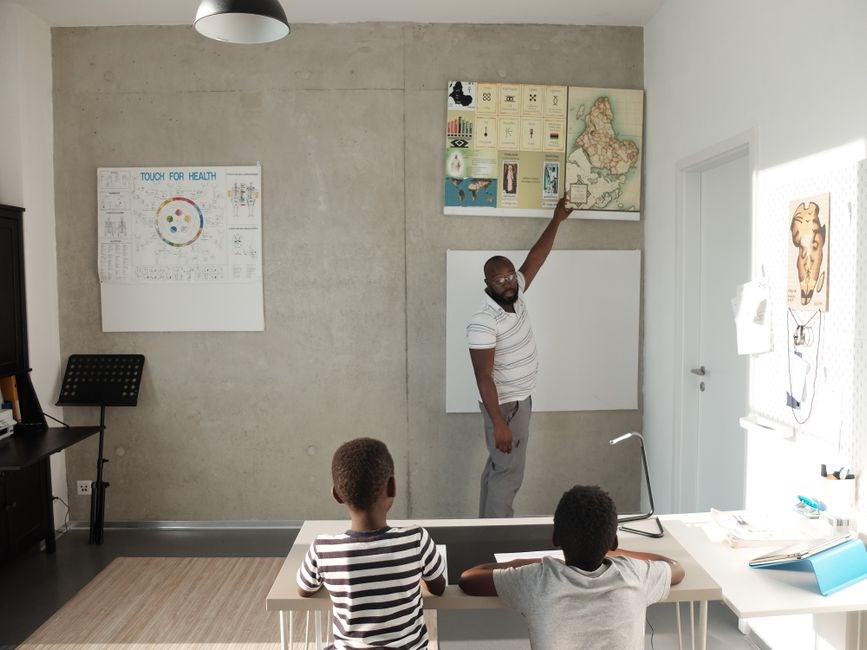
The PDF outlines seven co‑teaching models—One Teach/One Assist‚ One Teach/One Assess‚ Parallel‚ Team‚ Alternative Pre‑/Re‑Teaching‚ and Station Teaching—providing classroom examples and a spectrum for assessing collaboration. It serves as a guide for educators seeking collaborative.

Common Co-Teaching Models
Co‑teaching models vary: One Teach/One Assist‚ One Teach/One Assess‚ Parallel‚ Team‚ Alternative Pre‑/Re‑Teaching‚ and Station Teaching. Each model offers distinct roles‚ grouping strategies‚ and assessment opportunities for inclusive instruction. These frameworks teachers plan and assess lessons to
One Teach‚ One Assist
In the One Teach‚ One Assist model‚ the lead teacher delivers the lesson while the assistant supports students individually or in small groups. The assistant monitors student understanding‚ provides targeted interventions‚ and manages classroom logistics. This partnership allows the lead to focus on instruction while the assistant ensures that all learners receive timely feedback and scaffolding. Teachers plan shared objectives‚ align lesson pacing‚ and use transition cues to signal role shifts. Assessment is collaborative: the lead records formative data‚ and the assistant notes student engagement and misconceptions. The model promotes flexibility‚ enabling teachers to adjust support levels based on student needs and to maintain a cohesive learning environment. During the lesson‚ the assistant circulates the room‚ checking for comprehension gaps and offering immediate remediation‚ which keeps the flow steady. The lead teacher uses formative checks‚ such as exit tickets or quick polls‚ to gauge understanding‚ while the assistant records data for later analysis; After instruction‚ the pair conducts a brief debrief‚ discussing student responses and adjusting future lesson plans to better meet diverse learning profiles. Throughout the collaboration‚ both teachers maintain clear communication through shared notes‚ signaling transitions with verbal cues and visual aids to ensure consistency. Finally‚ the team reflects on day’s outcomes‚ noting strengths‚ challenges‚ and next steps for continuous improvement next cycle today.
One Teach‚ One Assess
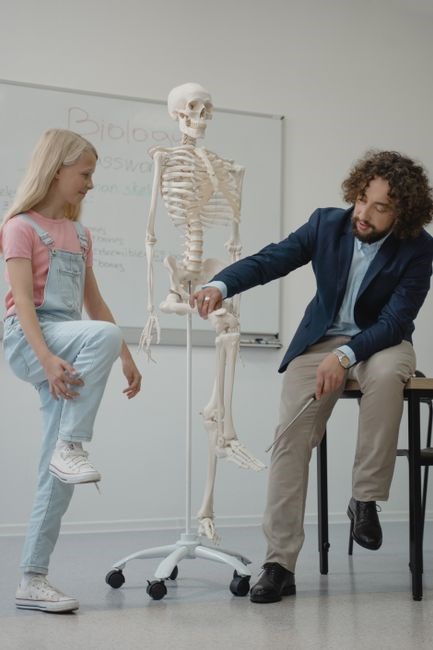
In the One Teach‚ One Assess configuration‚ the instructional leader delivers content while the partner focuses exclusively on gathering evidence of student learning. The assessor employs formative tools—such as quick quizzes‚ think‑aloud protocols‚ and real‑time data dashboards—to capture comprehension levels‚ misconceptions‚ and engagement metrics. While the teacher maintains pacing and instructional fidelity‚ the assessor circulates‚ observes‚ and records student responses‚ providing immediate feedback to the lead. This dual focus ensures that instructional decisions are data‑driven and responsive to individual needs. The assessors’ notes inform the teacher’s next steps‚ allowing for targeted reteaching or enrichment. Transition cues‚ like a simple hand signal or a verbal prompt‚ signal the shift from teaching to assessment moments‚ keeping the classroom rhythm intact. After the lesson‚ the pair reviews assessment artifacts‚ discusses patterns‚ and co‑designs follow‑up activities. This collaborative loop promotes reflective practice‚ strengthens teacher accountability‚ and supports equitable learning outcomes. By separating teaching and assessment roles‚ educators can deepen their expertise in both domains‚ fostering a culture of continuous improvement and data‑informed instruction.
In practice‚ schools often schedule brief planning sessions before each lesson‚ during which teachers align objectives‚ agree on assessment criteria‚ and rehearse transition cues; This preparation phase is critical for ensuring that the teaching and assessing roles are synchronized and that both educators are fully aware of their responsibilities‚ ultimately enhancing instructional quality and student success across diverse classrooms. This approach promotes professional growth‚ as teachers analyze assessment data to refine instruction learning.

Parallel Teaching
Parallel teaching splits the class into two homogeneous groups‚ each receiving the same lesson from a different teacher. The lead teacher delivers the core content while the co‑teacher supports students with targeted interventions‚ clarifications‚ or enrichment tasks. Both instructors coordinate lesson pacing‚ use identical instructional materials‚ and share assessment responsibilities to ensure consistency. Transition cues—such as a shared signal or a brief verbal cue—mark the switch between groups‚ maintaining classroom rhythm. After the lesson‚ teachers reconvene to compare student performance‚ discuss instructional adjustments‚ and plan the next cycle. This model promotes differentiated instruction‚ allows teachers to focus on specific student needs‚ and fosters collaborative planning and reflective practice. It also supports professional development by enabling teachers to observe and learn from each other’s instructional strategies in real time. The parallel approach is especially effective in large classrooms‚ where managing student behavior and providing individualized support would otherwise be challenging. By leveraging the strengths of both educators‚ parallel teaching enhances instructional quality and student engagement while maintaining a cohesive learning experience. This collaborative framework not only improves instructional delivery but also cultivates a culture of shared accountability‚ continuous improvement‚ and mutual professional growth for educators.
Team Teaching
Team teaching pairs educators to co‑deliver a single lesson‚ each contributing expertise and engaging students simultaneously. The two teachers collaborate on lesson design‚ aligning objectives‚ materials‚ and assessment strategies before instruction. During delivery‚ they alternate speaking turns‚ pose questions‚ and model problem‑solving‚ creating a dynamic dialogue that keeps learners actively involved. This shared approach allows teachers to address diverse learning styles in real time‚ offering immediate feedback and scaffolding. Teachers also jointly manage classroom behavior‚ using coordinated signals and shared expectations to maintain a focused environment. After the lesson‚ they debrief‚ comparing student responses‚ discussing instructional decisions‚ and refining future plans. Team teaching promotes professional learning communities‚ as educators observe each other’s techniques‚ negotiate pedagogical choices‚ and build a cohesive instructional voice. It also supports equitable access for students with varying needs‚ as both teachers can simultaneously provide differentiated support. The model encourages reflective practice‚ fostering continuous improvement and a culture of collaboration that benefits both staff and learners. In practice‚ team teaching requires meticulous planning‚ shared lesson plans‚ and clear delineation of roles. Teachers often use shared whiteboards‚ digital tools‚ and synchronized timing to ensure seamless transitions. The collaborative dynamic also enhances student engagement by providing multiple models of thinking and encouraging peer discussion. Moreover‚ team teaching supports differentiated instruction‚ as teachers can simultaneously address varied proficiency levels‚ monitor progress‚ and adjust pacing. Professional development opportunities arise as teachers reflect on each other’s instructional choices‚fostering a culture of continuous improvement student outcomes.
Alternative Teaching (Pre-Teaching & Re-Teaching)

Alternative teaching‚ or pre‑teaching and re‑teaching‚ is a co‑teaching model that splits instruction into two phases. In the pre‑teaching phase‚ one teacher presents the core content while the other observes‚ noting misconceptions and engagement. The observation data informs the re‑teaching phase‚ where the observing teacher returns to the same material with targeted interventions‚ differentiated explanations‚ and scaffolded activities. This data‑driven cycle allows the first teacher to maintain pacing and the second to provide individualized support. The model is useful in classrooms‚ offering repeated exposure to key concepts and reinforcing comprehension through representations. Teachers schedule brief observation periods—often 5–10 minutes—followed by a re‑teaching segment that may involve small‑group work‚ think‑pair‑share‚ or guided practice. A clear cue signals the transition between phases‚ preserving classroom flow. After re‑teaching‚ both educators debrief‚ comparing student responses to initial assessment data and refining future plans. The PDF highlights this cyclic‚ evidence‑based process as aligning with continuous improvement and equitable access. Technology tools such as digital whiteboards and assessment apps capture student interactions during phases. Teachers prevent fatigue‚ maintain energy‚ and model professional collaboration. Regular team meetings review data from pre‑teaching observations‚ set re‑teaching goals‚ and celebrate successes‚ supporting meaningful access to curriculum for all students!!!

Assessment Spectrum for Collaboration
The PDF outlines a tiered assessment framework: observational checklists‚ peer‑review rubrics‚ student self‑assessment logs‚ and dashboards. It guides educators to measure teamwork quality‚ instructional alignment‚ and student outcomes. Includes !
Observational Assessment of Collaboration (South Korean Context)
In South Korea‚ teachers use a structured observation protocol that records real‑time interactions during co‑teaching sessions. The protocol captures five domains: role clarity‚ communication flow‚ instructional alignment‚ student engagement‚ and reflective dialogue. Observers note instances of “transition cues” and “dialoguing to model questions‚” marking whether each teacher initiates or responds. Data are logged on a digital sheet‚ then aggregated into a collaboration score ranging from 0 to 100. Scores are plotted on a spectrum that distinguishes “Emerging‚” “Developing‚” “Proficient‚” and “Exemplary” levels. Teachers review the spectrum weekly‚ adjusting strategies such as “one teach/one assist” or “parallel teaching” to move toward higher tiers. The protocol also includes a “reflection diary” where each teacher records perceived strengths and challenges‚ feeding into a shared dashboard. This systematic‚ evidence‑based approach aligns with the Meaningful Access Guidelines in Texas‚ ensuring that co‑teaching practices are transparent‚ data‑driven‚ and continuously refined for student success.
The protocol also incorporates a digital collaboration log where teachers record real‑time adjustments‚ student feedback‚ and reflective notes; This log is reviewed during bi‑weekly meetings‚ informing professional development and ensuring alignment with state standards and equity goals. daily. shared Together.!

Co-Teaching in English-Language Settings
Co‑teaching in English‑language settings blends linguistic support with content instruction‚ ensuring that both language learners and peers receive differentiated input. The PDF highlights models—One Teach/One Assist‚ Team Teaching‚ Parallel‚ and Station Teaching—each adaptable to English‑language contexts. In a typical session‚ the lead teacher presents a concept while the assistant monitors pronunciation‚ vocabulary usage‚ and cultural references‚ then switches roles during practice activities. Transition cues‚ such as a brief signal or a shared agenda‚ help signal the shift and maintain continuity. Dialoguing to model questions and objectives is essential; teachers explicitly demonstrate how to frame questions‚ scaffold answers‚ and use academic language‚ thereby modeling metacognitive strategies for students. The PDF also documents how to integrate “Alternative Teaching” by pre‑teaching key terms before the main lesson and re‑teaching through targeted review‚ aligning with the Texas Meaningful Access Guidelines that emphasize equitable access to curriculum. By rotating responsibilities‚ teachers can address diverse learning needs‚ promote inclusive participation‚ and maximize instructional time. The guide recommends recording observations of collaboration‚ noting instances of effective communication‚ shared planning‚ and student engagement‚ which can be reviewed in professional learning communities to refine practice. This systematic approach supports teachers in delivering linguistically responsive instruction that meets state standards and fosters academic growth for all learners. The PDF also suggests leveraging technology—shared digital whiteboards‚ real‑time polling‚ and collaborative document editing—to facilitate co‑teaching. Visual supports such as graphic organizers and bilingual glossaries can be embedded within the shared platform‚ ensuring that all students access key concepts. Reflective practice after each lesson—discussing what worked‚ what did not‚ and how to adjust pacing or language focus—aligns with the Texas Meaningful Access Guidelines‚ which require ongoing assessment of instructional effectiveness. Teachers also coordinate assessment strategies to align language objectives with content mastery. By embedding these practices into routine‚ co‑teachers create a dynamic learning environment that supports language development‚ content mastery‚ and equitable participation for every student. Professional development sessions further reinforce shared pedagogical language.

Practical Implementation Strategies
Use transition cues‚ shared agendas‚ and role‑switching. Model questions‚ scaffold language‚ and record observations. Rotate lead/assist roles‚ integrate tech tools‚ and reflect post‑lesson to refine co‑teaching practice. Enhancing collaboration and!!
Effective transition cues are essential for seamless co‑teaching. Teachers pre‑plan verbal signals such as “I’ll take over” or “Now it’s your turn” to indicate role shifts. Non‑verbal gestures—hand signals‚ eye contact‚ or a shared cue card—help maintain flow without interrupting student focus. Timing is critical; cues should be delivered just before the switch‚ allowing the incoming teacher to prepare mentally. Shared agendas and a visible timer reinforce the cue system‚ ensuring both educators stay synchronized. Teachers can also use brief reflective pauses‚ asking “Any questions?” to confirm understanding before moving on. Consistent practice of these cues builds a predictable classroom rhythm‚ reducing anxiety and maximizing instructional time. Documentation of cue usage in lesson plans supports ongoing collaboration and professional growth. Teachers also rehearse cues during planning meetings‚ ensuring consistency across different lesson types and grade levels. When a cue is missed‚ teachers pause briefly‚ clarify the intended transition‚ and resume‚ demonstrating flexibility and mutual respect. Visual aids such as a shared timer or very colored card help students anticipate the shift‚ reducing confusion. Teachers also record cue usage in a shared log‚ reviewing it weekly to refine timing and ensure equitable participation. Finally‚ a brief debrief after each lesson allows teachers to celebrate successful transitions and plan adjustments for future sessions. All cues shared
Dialoguing to Model Questions and Objectives
Co‑teaching dialogue models questions and objectives‚ foregrounding higher‑order thinking. Teachers alternate speaking‚ each posing a question aligned with the lesson goal‚ then pausing for student reflection. For example‚ one teacher asks‚ “What evidence supports this claim?” while the other follows with‚ “How can we evaluate the source’s reliability?” This back‑and‑forth demonstrates the inquiry cycle and signals the expected depth of response. By stating objectives—“Students will analyze cause and effect” or “Students will synthesize data to draw conclusions”—teachers provide a shared frame of reference. The dialogue includes reflective prompts such as‚ “Why is this question important?” or “What strategies can you use to answer it?” These prompts encourage metacognition and help students monitor progress. Teachers model language for framing questions‚ using verbs like “explain‚” “compare‚” “contrast‚” and “justify.” The pair records the dialogue on a shared whiteboard or digital platform‚ allowing students to revisit the question structure after the lesson. Consistent practice strengthens students’ ability to generate and respond to complex questions‚ raising academic discourse and reinforcing the co‑teaching framework. Students observe exchanges‚ internalize the structure‚ and apply it across subjects‚ creating a culture of inquiry that extends beyond the classroom. Co‑teachers pause to reflect on dialogue effectiveness‚ noting which questions sparked deeper engagement and which needed refinement. Over time‚ this iterative process refines instructional dialogue‚ ensuring every question aligns with the curriculum and supports diverse learning styles. This practice is scalable across grade levels. Students routinely practice these dialogues‚ fostering confidence and collaborative inquiry.———————

Guidelines for Co-Teaching in Texas (Meaningful Access Guidelines)
The Texas Education Agency’s Meaningful Access Guidelines outline co‑teaching practices that ensure students with disabilities receive equitable instruction. The PDF references seven models—One Teach/One Assist‚ One Teach/One Assess‚ Parallel‚ Team‚ Alternative Pre‑/Re‑Teaching‚ and Station Teaching—each requiring explicit role delineation‚ shared lesson objectives‚ and collaborative assessment strategies. Key directives include: 1) establishing a co‑teaching agreement that defines responsibilities‚ 2) aligning instructional materials with the Individualized Education Plan (IEP) or 504 plan‚ 3) employing transition cues to signal role shifts‚ and 4) documenting instructional time to demonstrate compliance with the 80/20 rule for general and special education content. Teachers must also engage in ongoing professional learning‚ using data from formative assessments to adjust instruction. The guidelines emphasize that co‑teaching should not merely be a “teaching buddy” arrangement but a structured partnership that integrates content and process goals. Schools are encouraged to pilot models‚ collect student outcome data‚ and refine practices based on evidence. The PDF provides sample lesson plans‚ observation rubrics‚ and a spectrum for assessing collaboration‚ serving as a practical toolkit for districts implementing Meaningful Access. By following these guidelines‚ educators can create inclusive classrooms that meet legal mandates while fostering academic growth learners.
Growth10.

Resource Availability and PDF References
The PDF collection on co‑teaching models offers a comprehensive repository of instructional frameworks‚ assessment tools‚ and implementation guides that support diverse classroom practices. Accessible through the Texas Education Agency’s online portal‚ the documents include the “Co‑Teaching Models and Assessment Spectrum” report and the “Meaningful Access Co‑Teaching Guidelines‚” providing practical examples. Each PDF contains downloadable lesson templates‚ observation rubrics‚ and a detailed spectrum for evaluating collaborative effectiveness‚ ranging from informal peer observation to formal peer‑review cycles. The repository also hosts a curated list of scholarly articles‚ conference proceedings‚ and teacher‑authored blogs that discuss the impact of co‑teaching on student engagement and achievement. By leveraging this extensive digital library‚ teachers can align their practice with state standards‚ meet IEP requirements‚ and foster a collaborative classroom culture that supports diverse learners. Furthermore‚ the PDFs link to external repositories such as the National Center for Learning Disabilities and International Baccalaureate‚ ensuring that practitioners have access to a perspective on pedagogy!
Additional resources are available upon request‚ and educators are encouraged to consult the Texas E‑Learning Center for updated materials and professional development opportunities;
Educators can download lesson plans and assessment rubrics daily.