
KULT: Divinity Lost ‒ A Comprehensive Guide
KULT: Divinity Lost resources, including scenarios and trait decks, are readily available as PDF downloads for Foundry VTT support, enhancing gameplay experiences․
What is KULT: Divinity Lost?
KULT: Divinity Lost is a horror role-playing game deeply rooted in gnostic philosophy and psychological horror․ It presents a dark and disturbing vision where humanity unknowingly exists within an illusion, a prison constructed by powerful, malevolent beings known as the Archons․
The game distinguishes itself through its exploration of forbidden knowledge, the search for true reality, and the consequences of awakening to the horrifying truth․ Players take on the roles of individuals who begin to perceive cracks in the illusion, drawn into a clandestine war for liberation․
Numerous resources, including the core rulebook, scenarios like “An Echo From the Past”, and supplemental materials such as the “Deck of Traits”, are frequently distributed as PDF files, facilitating access for players and Game Masters․ These PDFs enable play via platforms like Foundry VTT, offering a digital tabletop experience․
The Core Concept: Illusion and Reality
At the heart of KULT: Divinity Lost lies the fundamental dichotomy of illusion and reality․ The world as we perceive it – Gaia – is a meticulously crafted prison, a shared delusion maintained by the Archons to keep humanity enslaved․ True reality resides in Metropolis, a hidden realm of immense power and terrifying truths․
The game’s core conflict revolves around characters awakening to this deception, seeking to break free from Gaia’s confines and confront the forces that control it․ This journey is fraught with peril, as the Archons actively suppress any knowledge that threatens their dominion․
Accessing game materials, often found as convenient PDF downloads, allows players to delve deeper into this concept․ These PDFs, including scenario guides and rule supplements, detail the layers of the illusion and the path towards uncovering the truth, enhancing the immersive experience․
The Metaplot: The Demiurge and the Archons
KULT: Divinity Lost’s overarching narrative centers on the Demiurge, a flawed creator god, and the Archons, his powerful, often malevolent, servants․ The Demiurge, driven by a desire for control, constructed Gaia – the illusory world – to imprison humanity’s divine spark․
The Archons enforce this imprisonment, manipulating events and suppressing any awakening to true reality․ They operate through various organizations and influence, subtly guiding humanity towards stagnation and obedience․ Understanding their motives and methods is crucial for players seeking liberation․
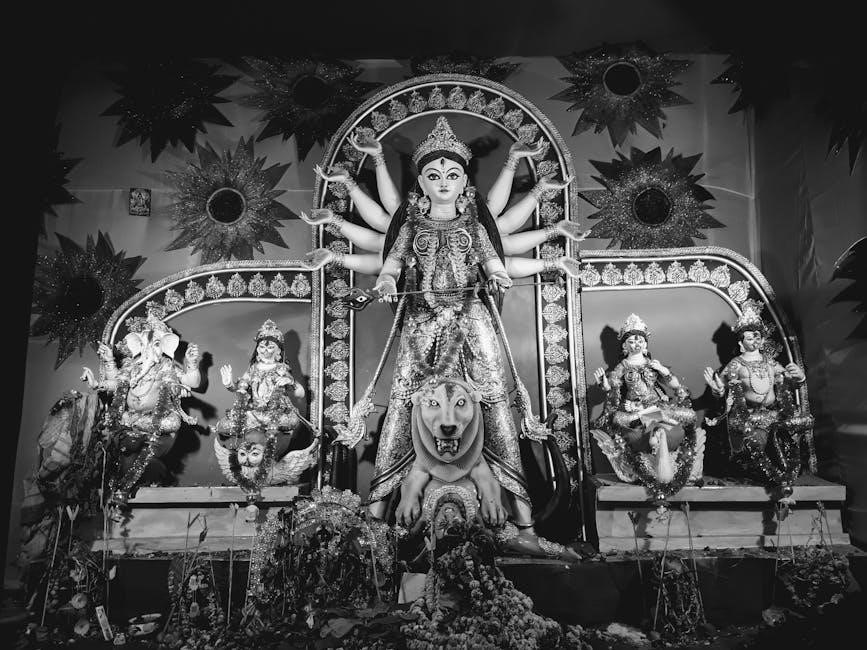
Detailed lore regarding the Demiurge and the Archons is often contained within supplemental PDF materials․ These PDF downloads provide Game Masters with the necessary background to weave a compelling and terrifying campaign, enriching the metaplot’s complexity․
Key Game Mechanics
KULT: Divinity Lost distinguishes itself through mechanics emphasizing psychological horror and the struggle against a hidden reality․ Core to the experience is the exploration of trauma, dark desires, and the characters’ fractured psyches․ The game heavily relies on investigation, social manipulation, and confronting disturbing truths․
A significant aspect is the ‘Darkness’ mechanic, representing a character’s descent into depravity or awareness of the true world․ This impacts abilities and introduces risks․ Many of these rules, alongside character sheets and quick reference guides, are conveniently packaged within downloadable PDF resources․
Accessing these PDF files streamlines gameplay, providing essential information at a glance for both players and Game Masters, ensuring a smooth and immersive experience․
The Dice Pool System (d20)
KULT: Divinity Lost utilizes a d20-based dice pool system, where players assemble a pool of d20s based on their Traits and Skills․ The number of dice rolled reflects a character’s competence․ Success is determined by counting the number of dice that meet or exceed a target number set by the Game Master, representing the difficulty of the task․
Crucially, the system isn’t solely about exceeding a threshold; the margin of success matters, influencing the quality of the outcome․ Detailed explanations of this system, including modifiers and special rules, are readily available in comprehensive PDF guides․
These PDF resources often include example scenarios and character builds, illustrating how the dice pool system functions in practice, making it easier for newcomers to grasp the core mechanics․
Traits and Their Impact
KULT: Divinity Lost’s character system revolves around Traits, representing fundamental aspects of a character’s being – both inherent abilities and acquired qualities․ These Traits directly influence a character’s capabilities and how they interact with the world, impacting dice pool construction during skill checks․
Traits aren’t merely numerical values; they represent a character’s psychological and metaphysical strengths․ Detailed descriptions of each Trait, alongside their effects on gameplay, are extensively covered in the core rulebook, often available as a PDF download․
Furthermore, supplemental PDF materials, like the “Deck of Traits,” offer a variety of advantages and disadvantages, adding depth and nuance to character creation and roleplaying․ Understanding Traits is key to navigating the game’s complex narrative․
Archetypes: Defining Your Character
KULT: Divinity Lost utilizes Archetypes as starting points for character creation, providing pre-defined concepts with associated Traits and backgrounds․ These Archetypes aren’t restrictive classes, but rather frameworks to build upon, offering a foundation for unique characters within the game’s dark universe․
Each Archetype embodies a specific role or perspective within the Illusion, influencing a character’s motivations and potential narrative paths․ Detailed descriptions of each Archetype, including suggested Traits and backstories, are readily available within the core rulebook, often distributed as a comprehensive PDF․
Choosing an Archetype streamlines character creation, but players are encouraged to customize and deviate, crafting individuals that resonate with their vision․ Supplemental PDF resources may offer additional Archetype options or variations․
Character Creation
Character Creation in KULT: Divinity Lost is a multi-stage process, beginning with selecting an Archetype – a foundational concept influencing your character’s path․ The core rulebook, widely available as a PDF, details this process comprehensively․
Next, players define their character’s Traits, representing inherent abilities and qualities․ These are determined using a dice pool system, detailed within the PDF ruleset, and significantly impact gameplay․ Backgrounds and motivations are then established, shaping the character’s history and driving forces․
Numerous online resources and PDF supplements offer character sheets and guides to aid in this process․ Foundry VTT integration further simplifies creation, automating calculations and providing a user-friendly interface․ The goal is to create a character deeply embedded within the game’s unsettling reality․
Choosing an Archetype

Archetype selection is the first crucial step in KULT: Divinity Lost character creation․ These pre-defined roles offer a starting point, influencing a character’s skills, motivations, and place within the game’s dark narrative․ The core rulebook, often found as a convenient PDF download, details each Archetype extensively․

Archetypes aren’t restrictive; they provide a framework for building a unique individual․ Options range from the Survivor, haunted by past trauma, to the Seeker, driven to uncover hidden truths․ The PDF provides insights into each Archetype’s strengths and weaknesses․
Consider your desired playstyle and the story you want to tell․ Foundry VTT integration streamlines this process, offering digital character sheets and archetype descriptions readily available from PDF-sourced data․
Defining Traits and Skills
After selecting an Archetype, players define their character’s Traits and Skills in KULT: Divinity Lost․ Traits represent inherent qualities – physical, mental, and social – while Skills reflect learned abilities․ Detailed explanations and lists are readily available within the core rulebook, commonly distributed as a PDF․
The “Deck of Traits” PDF offers a unique method for randomizing or inspiring Trait selection, adding an element of unpredictability․ Skills are rated numerically, influencing success chances during gameplay․ Foundry VTT utilizes PDF-imported data to manage these attributes digitally․
Carefully consider how Traits and Skills align with your Archetype and character concept․ A well-defined character is crucial for navigating the game’s challenging scenarios, often detailed in supplemental PDF adventures․
Backgrounds and Motivations
Developing a compelling character background and motivation is vital in KULT: Divinity Lost․ These elements shape how your character interacts with the dark and complex world․ While the core rules PDF provides guidance, creativity is paramount․ Consider past traumas, hidden desires, and the character’s awakening to the Illusion․
Backgrounds aren’t merely history; they influence starting resources and connections․ Motivations drive actions and define goals within the overarching metaplot․ Many scenario PDFs present situations that directly challenge a character’s beliefs and motivations, forcing difficult choices․
Foundry VTT allows for detailed background and motivation tracking, easily accessible during gameplay․ A well-crafted backstory, often supplemented by notes from supplemental PDF materials, enriches the roleplaying experience․
The World of KULT: Divinity Lost
The setting of KULT: Divinity Lost is a layered reality, meticulously detailed in the core rulebook PDF․ Humanity unknowingly exists within the Illusion, a fabricated world concealing the true Metropolis and the horrific Inferno․ Understanding these realms is crucial for players․
Gaia, the illusory world, mirrors our own, but with subtle cracks revealing the underlying darkness․ The Metropolis represents a higher, yet alien, existence, while Inferno embodies suffering and the domains of the Archons․ Scenario PDFs often explore these locations․
Foundry VTT integration utilizes maps and descriptions from the source PDFs, bringing the world to life․ Supplemental materials, available as PDF downloads, expand upon specific locations and factions within this complex cosmology․
Metropolis: The True Reality
Metropolis, as detailed in the KULT: Divinity Lost core rulebook PDF, is the majestic, yet unsettling, reality hidden behind the Illusion․ It’s a city of impossible architecture and godlike beings – the Archons – who unknowingly imprison humanity․
Accessing information about Metropolis often requires delving into supplemental PDF materials, revealing its intricate power structures and the nature of its inhabitants․ The city isn’t benevolent; it’s a gilded cage built upon suffering․
Foundry VTT modules leverage descriptions from the PDF to create immersive environments․ Players may glimpse Metropolis through dreams or rare breaches in the Illusion, as explored in scenario PDFs․ Understanding its nature is key to liberation, or utter destruction․
Inferno: The Realms of Suffering
Inferno, as depicted in KULT: Divinity Lost source PDFs, represents the horrific realms born from the Demiurge’s nightmares and the collective suffering of humanity․ These aren’t traditional “hells,” but fractured landscapes reflecting inner torment․
Detailed descriptions within the PDFs reveal diverse Infernos, each tailored to specific sins and traumas․ Accessing these realms is perilous, often requiring deliberate descent or forced entry through psychic breaches․
Scenario PDFs frequently feature journeys into Inferno, forcing characters to confront their deepest fears․ Foundry VTT modules utilize the PDF’s lore to create visually disturbing and psychologically challenging environments․ The horrors within are not merely physical; they are existential․
Gaia: The Illusionary World

Gaia, the world perceived by most humans in KULT: Divinity Lost, is a meticulously crafted illusion, extensively detailed within the game’s core PDF rulebooks․ It’s the prison constructed by the Archons to keep humanity unaware of its true, divine nature․
The PDFs emphasize that Gaia isn’t inherently evil, but a gilded cage․ While appearing normal, subtle cracks reveal the underlying reality – glimpses of Metropolis or the influence of Inferno․ These anomalies are key to gameplay․
Scenario PDFs often begin within Gaia, gradually peeling back layers of the illusion․ Foundry VTT integrations leverage the PDF’s descriptions to create a deceptively familiar, yet unsettling, world․ Players uncover clues hinting at the truth, challenging their perceptions․

Scenarios and Adventures
KULT: Divinity Lost offers a wealth of pre-written scenarios, frequently distributed as PDF downloads․ “An Echo From the Past” is a notable example, providing a compelling starting point for new players and Game Masters, readily available online․
These scenario PDFs detail intricate plots, character motivations, and evocative locations, designed to immerse players in the game’s dark and philosophical themes․ They often incorporate elements of horror and investigation, challenging players to confront uncomfortable truths․
Foundry VTT modules streamline the use of these scenarios, importing maps, NPCs, and plot hooks directly from the PDF source material․ This integration enhances the gaming experience, allowing GMs to focus on storytelling and player interaction․

“An Echo From the Past” ‒ Overview
“An Echo From the Past” serves as an excellent introductory scenario for KULT: Divinity Lost, often found as a freely downloadable PDF․ It’s designed to gently introduce players to the core concepts of Illusion and Reality, the Demiurge, and the unsettling truths hidden beneath the surface of the world․
The scenario centers around a mystery rooted in a character’s past, drawing them into a web of intrigue and supernatural occurrences․ The PDF provides a detailed timeline, key NPCs, and evocative descriptions of locations, aiding the Game Master in running a compelling session․
It’s a relatively self-contained adventure, making it ideal for one-shots or the beginning of a longer campaign․ Players will grapple with moral dilemmas and uncover fragments of the larger metaplot, all while confronting personal demons and existential dread, easily accessed via its PDF format․
Running a KULT: Divinity Lost Campaign
Successfully running a KULT: Divinity Lost campaign requires embracing its dark, philosophical themes․ Numerous resources, conveniently available as PDF downloads, can aid Game Masters in preparation․ These PDFs often include pre-written scenarios like “An Echo From the Past,” alongside character archetypes and detailed world information․
Focus on creating a sense of dread and paranoia, emphasizing the characters’ vulnerability within a reality they don’t understand․ Foundry VTT support, facilitated by comprehensive rule set PDFs, streamlines gameplay․ Encourage player agency, allowing their choices to genuinely impact the unfolding narrative․
Remember that KULT isn’t about ‘winning’; it’s about exploring uncomfortable truths and the human condition․ Utilizing readily accessible PDF resources will help you navigate this complex and rewarding system․

Themes and Tone: Horror and Philosophical Inquiry
KULT: Divinity Lost masterfully blends psychological horror with profound philosophical questions․ The game explores Gnostic themes of illusion, imprisonment, and the search for true reality, often mirroring historical and religious roots of the “kult” concept․ Accessing campaign materials as PDF downloads allows for deeper immersion into these complex ideas․
The tone should be oppressive and unsettling, emphasizing the characters’ powerlessness against cosmic forces․ PDF resources detailing the Metapoleis and Inferno provide evocative settings for this atmosphere․ Expect players to confront disturbing truths about themselves and the world around them․
Utilizing readily available PDF scenario guides, like “An Echo From the Past”, can help maintain this delicate balance between horror and intellectual exploration․
Resources for Players and Game Masters
Numerous resources support KULT: Divinity Lost campaigns, many conveniently available as PDF downloads․ Foundry VTT integration benefits from comprehensive file sets detailing rules, mechanics, and game elements․ Players and GMs can access character sheets, scenario outlines – such as “An Echo From the Past” – and detailed world information in PDF format․
The “Deck of Traits” PDF provides a valuable tool for character development, offering academic and social advantages․ Online resources and communities offer further support, alongside the insightful 2019 KULT documentary film, providing context to the game’s themes․
Efficient PDF downloading from platforms like Google is crucial for easy access to these materials, ensuring a smooth and immersive gaming experience․
Foundry VTT Support
KULT: Divinity Lost enjoys robust support within the Foundry Virtual Tabletop (VTT) environment․ A dedicated system package, available as a collection of files, provides all necessary information for seamless integration of the game’s unique rules and mechanics․ This includes character creation, trait implementation, and scenario management, all accessible within the Foundry VTT interface․
Players benefit from automated dice rolls and character sheet management, while Game Masters gain tools for controlling the narrative and tracking complex game elements․ Many supplementary materials, like the “Deck of Traits”, are designed to be easily imported and utilized within Foundry VTT, often distributed as convenient PDF resources․
This integration streamlines gameplay and enhances the immersive experience․
PDF Downloads and Online Resources
KULT: Divinity Lost offers a wealth of downloadable resources, primarily in PDF format, catering to both players and Game Masters․ Scenario summaries, like “An Echo From the Past”, are frequently shared as PDF files, providing adventure outlines and timelines․ The “Deck of Traits” is also commonly found as a PDF, detailing academic and social advantages impacting gameplay․

Online communities and dedicated websites host these resources, alongside character sheets and rule clarifications․ Accessing these PDFs often involves simple searches or direct links from community forums․ Efficient PDF downloading from platforms like Google is crucial for quick access to game materials․
These readily available resources significantly enhance the KULT: Divinity Lost experience․
The KULT Documentary Film (2019) ー Context
While seemingly unrelated to PDF resources, the 2019 documentary film “Kult” – focusing on the Polish rock band Kult and Kazik Staszewski – provides a fascinating cultural context․ The film delves into behind-the-scenes material, offering insights into a legendary group and its frontman․ This exploration of “Kult” as a cultural phenomenon mirrors the game KULT: Divinity Lost’s own thematic explorations of hidden realities and societal structures․
Understanding the broader meaning of “Kult” – encompassing concepts of devotion, worship, and lifestyle – enriches the game’s Gnostic underpinnings․ Though not directly a PDF download, appreciating this cultural resonance deepens engagement with the game’s core themes․ The film’s raw and emotional portrayal resonates with the horror and philosophical inquiry central to KULT: Divinity Lost․

Understanding the Term “Kult” (Cult)
The term “Kult,” originating from the Latin “cultus” meaning care, cultivation, and worship, historically denotes religious practices and a way of life․ Its modern English translation, “cult,” often carries negative connotations․ However, KULT: Divinity Lost deliberately reclaims the term, drawing upon its original, broader meaning․ This nuanced understanding is crucial when exploring available PDF resources detailing the game’s lore and mechanics․
The game utilizes “Kult” within a Gnostic framework, representing a search for hidden knowledge and liberation from illusion․ Accessing PDF character sheets, scenario guides, and rulebooks requires acknowledging this intentional linguistic choice․ The game isn’t about destructive cults, but about the underlying spiritual forces and the pursuit of true reality, concepts often misrepresented by the term․
Historical and Religious Roots of the Term
Historically, “Kult” – derived from the Latin “cultus” – signified devotion and religious observance across numerous ancient civilizations․ Early religious practices centered around honoring deities through rituals, offerings, and communal worship, all falling under the umbrella of “cultus․” Examining these roots provides context when delving into KULT: Divinity Lost’s complex mythology, often found detailed in downloadable PDF sourcebooks․
The term evolved, encompassing broader aspects of societal life, including art, education, and social customs․ Understanding this historical breadth is vital for appreciating the game’s Gnostic influences․ Many PDF resources explore the game’s philosophical underpinnings, revealing how it reinterprets ancient beliefs․ The game doesn’t shy away from challenging conventional religious narratives, prompting players to question the nature of reality itself․
KULT’s Use of the Term in a Gnostic Context
KULT: Divinity Lost deliberately employs “Kult” within a Gnostic framework, referencing ancient beliefs that posit the material world as a flawed creation of a lesser deity – the Demiurge․ This concept is extensively detailed in available PDF materials, outlining a hidden reality beyond human perception․ The game’s “cults” aren’t merely fringe groups, but pathways to uncovering this truth, often through dangerous and forbidden knowledge․
Gnosticism emphasizes personal spiritual experience and liberation from the illusion of reality․ KULT mirrors this, presenting characters who awaken to the deception of Gaia and seek to ascend to Metropolis․ Numerous PDF supplements expand on these themes, providing Game Masters with tools to explore the philosophical implications of Gnostic thought within their campaigns․ The term “Kult” thus signifies a quest for genuine enlightenment․
Downloading PDFs Efficiently from Google
Finding KULT: Divinity Lost PDF resources via Google requires strategic searching․ Often, direct links lead to forum posts or Drive folders․ Utilize advanced search operators like “filetype:pdf” alongside specific terms (e․g․, “KULT Divinity Lost scenario filetype:pdf”) to filter results effectively․ Be cautious of unfamiliar websites; prioritize reputable RPG communities and official channels when downloading․
Many PDFs are shared as Google Drive links․ Ensure your browser isn’t blocking pop-up windows, as the download prompt may appear there․ Scan downloaded files with antivirus software before opening․ Foundry VTT module PDFs and character sheets are frequently available through dedicated RPG resource sites․ Remember to respect copyright and support creators when possible․